Don’t Sleep on the European Accessibility Act
By 28 June 2025, every company operating in the EU must be accessibility-compliant.


If you’re based in Europe, you’ve probably noticed something new about plastic bottles. The caps don’t come off anymore! This wasn’t a random change. It is an EU regulation designed to cut plastic waste, and now every vendor has to comply, no exceptions.
So, what does this have to do with accessibility? Well, not much. However, the upcoming European Accessibility Act (EAA) is about to create the same kind of disruption for digital products. Everyone will have to comply, and most companies are not ready for it.
The Next Big Compliance Challenge
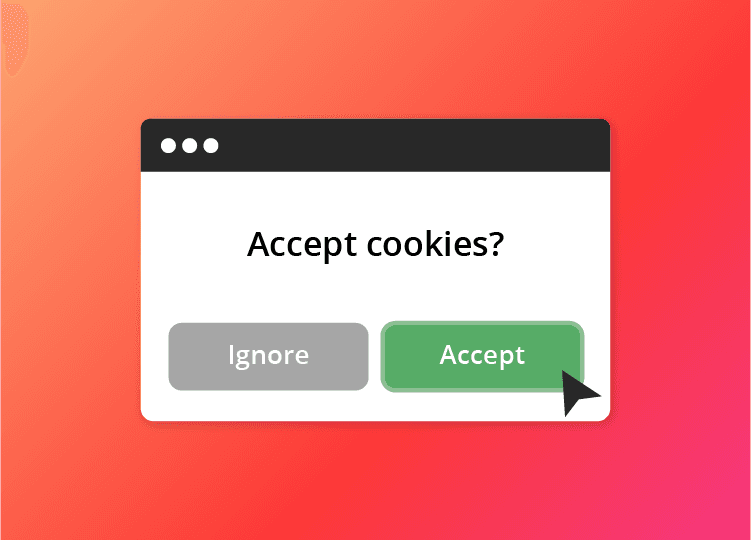
The EU has a history of introducing disruptive tech regulations. First, the Cookie Law required websites to ask for consent before tracking users, introducing those annoying banners that nobody actually reads. Then, GDPR forced us to rethink how to handle personal data and more recently, the Digital Markets Act and Digital Services Act introduced stricter rules for tech giants, like preventing favoring their own products in search results, enabling the option to uninstall default apps, among many others.
Now, accessibility is next.
By 28 June 2025, every company operating in the EU must be accessibility-compliant. This date is only a few months away, and if you’re not already working on this, you might fall behind.
🚧 Deadline: 28 June, 2025 ⏰
Who Needs to Comply?
The EAA applies to any business operating in the EU that provides digital products or services to consumers. This means startups, SaaS companies, or enterprises. Unlike past accessibility regulations that mainly targeted government websites, this one impacts nearly all digital experiences.
Companies offering websites, mobile apps, e-commerce platforms, banking services, streaming platforms, and any kind of software products all need to comply.
If your product serves EU consumers, compliance is now a legal requirement**.**
However, microenterprises, companies with fewer than 10 employees and an annual turnover or balance sheet total under €2 million, are exempt from these requirements. But just because it is not mandatory does not mean it should be ignored.
What Does Accessibility Compliance Mean?
The EAA regulation is based on WCAG 2.1 Level AA, which means:
- Websites and apps must work with screen readers.
- Users should be able to navigate using only a keyboard.
- Text and visuals must have sufficient contrast for readability.
- Images need alt text so screen readers can describe them.
- Forms and interactive elements must be clearly labeled and easy to use.
- The user must be able to resize text without breaking the layout.
WCAG 2.1 AA Standards | Accessible Web
The Consequences of Ignoring Accessibility
You might think this law will not be enforced. Well, think again. In the UK and US, many companies have already faced lawsuits for failing to comply, and the fines are not insignificant.
Public lawsuits and complaints can damage trust, especially for well-known brands. When a company ignores accessibility, it signals that a large portion of users does not matter. Social media backlash spreads fast, and once the damage is done, rebuilding trust is not easy. Domino’s famously faced a lawsuit over an inaccessible website, leading to negative press and legal costs. Do you trust that your competitor will not use this law against you?
Top Website Accessibility Lawsuits: Major Companies Sued Over ADA Compliance
The business impact is just as important. One in six people has a disability, and they are all potential customers. An e-commerce platform that does not support screen readers loses sales. A food delivery app that requires a mouse locks out users who rely on keyboard navigation.
Inaccessible websites are simply lost revenue.
Companies that act now will gain a competitive edge. Accessibility can be a selling point. In banking, healthcare, and e-learning, accessibility is already a deciding factor. Businesses that prioritize it and build better products will attract more customers and stay ahead of future regulations. The ones that wait will struggle to catch up.
Insights
Being part of a UK company that faced an accessibility lawsuit was not the proudest moment of my career. At least, I learned a lot from that experience, and I hope the following insights can help others avoid the same mistakes.
Start with educating yourself and your team. Accessibility should not be an afterthought. The first step is to ensure that developers, designers and product owners understand its importance.
Semantic markup helps screen readers and assistive technologies interpret content correctly. It also has a nice side effect: better SEO, since clear structure and navigation improve search rankings.
Avoid creating a dedicated accessibility team*.* It leads to siloed efforts that do not integrate well into the development process. Instead, appoint an Accessibility Champion in each team. This person ensures that accessibility best practices are followed in every feature.
Training is crucial because small mistakes can have a huge impact. A simple promotion banner or modal that traps keyboard focus can make an entire app unusable.
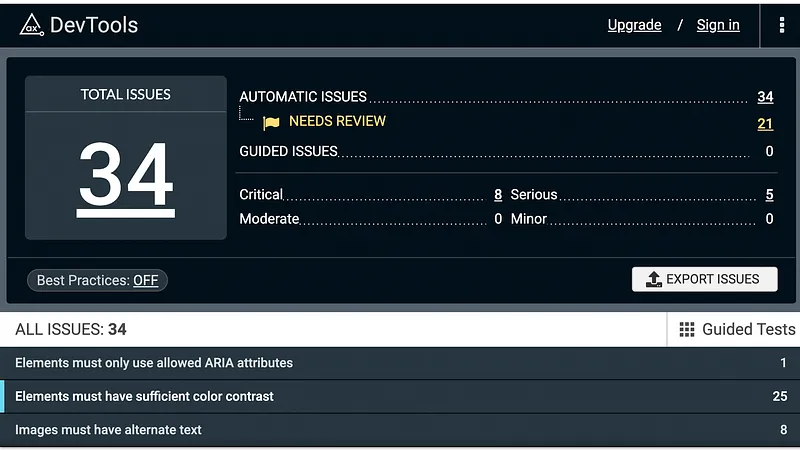
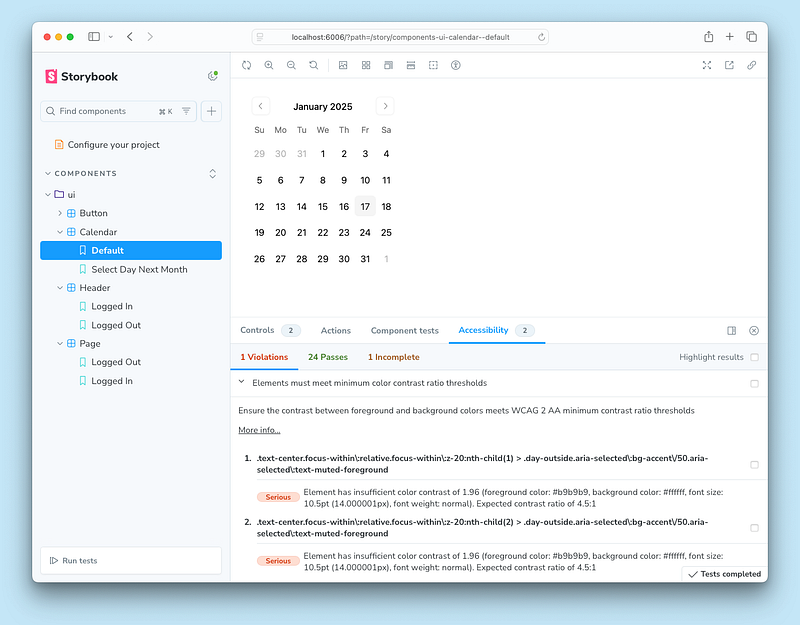
Automate where possible. Accessibility should be part of the development workflow. Integrate tools like Lighthouse, axe DevTools, and screen readers into your workflow. Adding automated accessibility checks to your CI/CD pipeline prevents regressions.
The latest Storybook 8.5 introduced real-time accessibility tests, which look really promising. I’m currently integrating them into my workflow, and I’ll be sharing a deep dive about them soon. Stay tuned!
Final Thoughts
Unfortunately, companies have to be forced to make their products accessible when it should have been a priority from the start. But if that is what it takes, then so be it. Maybe this is the wake-up call the industry needed.
The European Accessibility Act is finally pushing companies to build inclusive products. And just like GDPR, accessibility will soon be standard. The deadline is coming fast, and businesses that embrace accessibility will be in a much better position.
Act now, and let’s build better products for everyone.
Additional Resources
Keep reading