Can Vue Query Replace State Management?
Vue Query optimizes server state management. It seems like it might overlap with popular state management solutions like Vuex or Pinia. But…

Can Vue Query Replace State Management?
Vue Query optimizes server state management. It seems like it might overlap with popular state management solutions like Vuex or Pinia. But can it fully replace them? Let’s explore this idea together.
State Management
Having a centralized place to manage our state is essential, especially when building complex applications. Tools like Vuex or Pinia offer a structured approach, ensuring data consistency across components and simplifying the process of state tracking and debugging.
For example, let’s assume the following page that has two sections using the same data. The products table and the featured section that uses a subset from the same API.
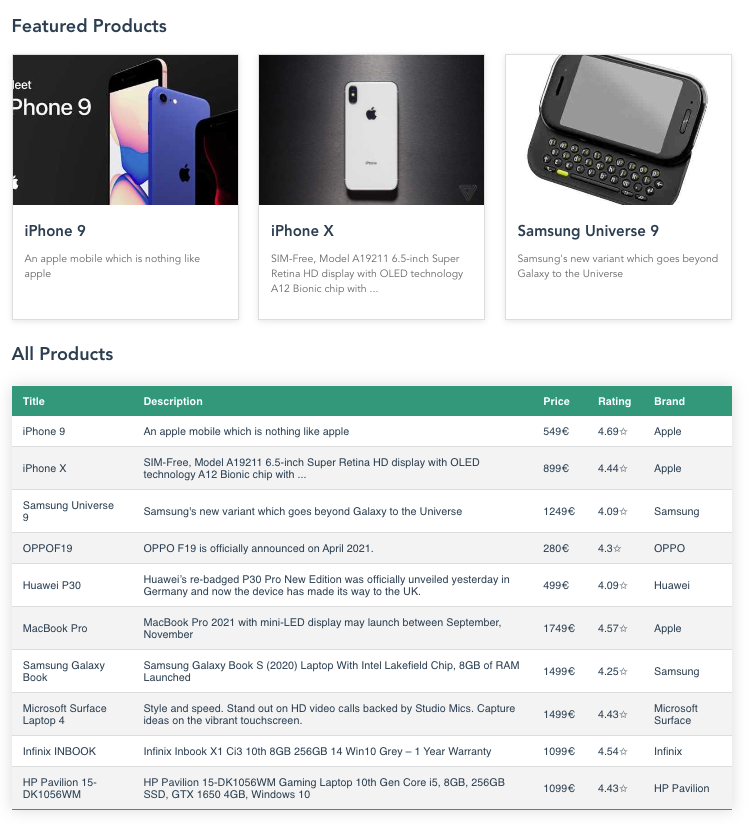
To avoid passing props all over the place we will use pinia for state management. The page will have to dispatch an action that will fetch the data, and each component will have access from the common state.
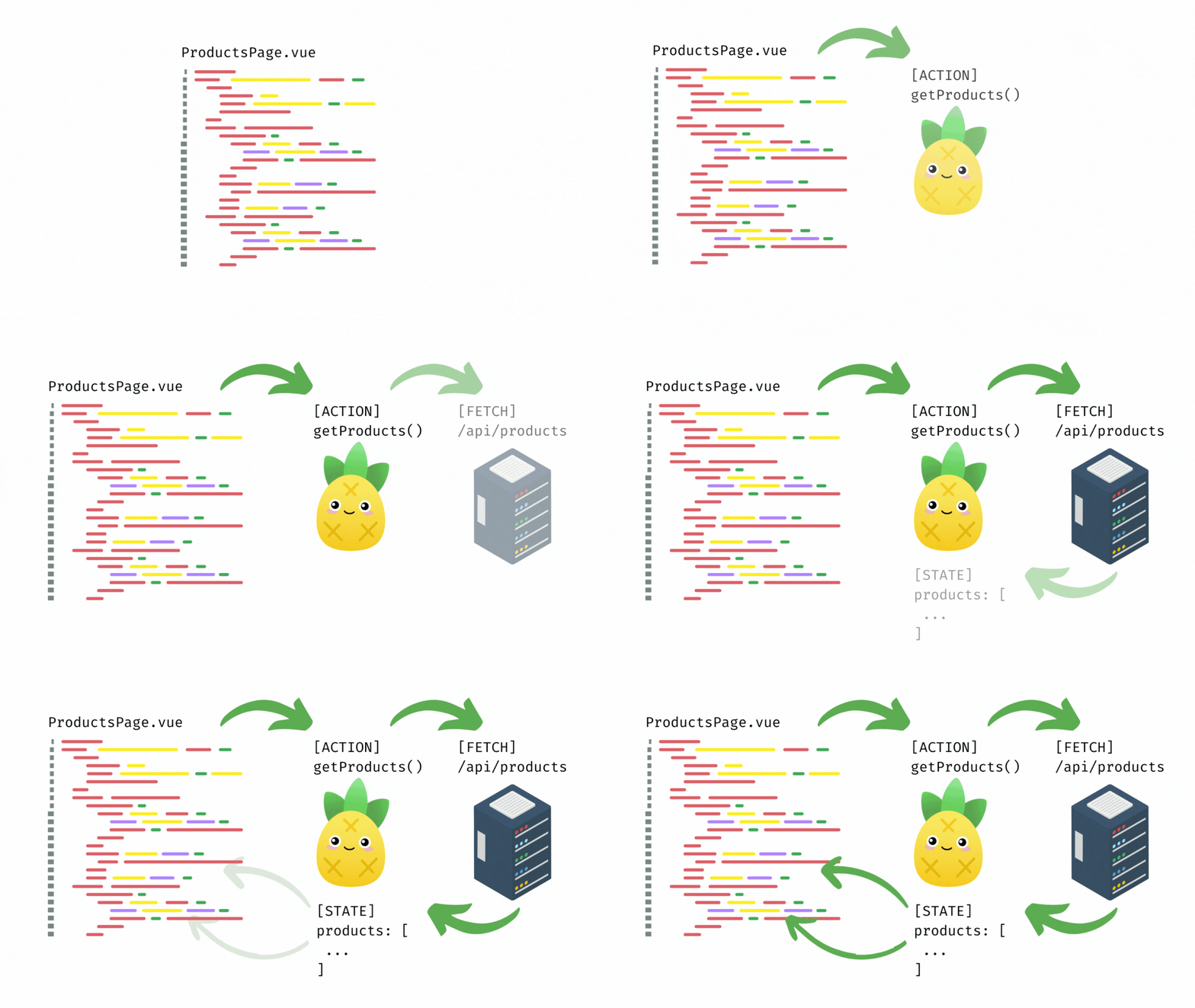
This works, but couples the page with the components. Additionally keeping the data up to date can make the page component quite complex.
Vue Query
Vue Query is not a replacement for data fetching. It is an abstraction layer on top of them.
It provides multiple benefits
- Caching… (possibly the hardest thing to do in programming)
- Updating out-of-date data in the background
- Knowing when data is out of date
- Reflecting updates to data as quickly as possible
- Deduping multiple requests for the same data into a single request
- Performance optimizations like pagination and lazy loading
- Managing memory and garbage collection of server state
- Memoizing query results with structural sharing
For our experiment, deduping multiple requests is the key.
Fetching the same data from multiple components will result in a single call being made in the backend.
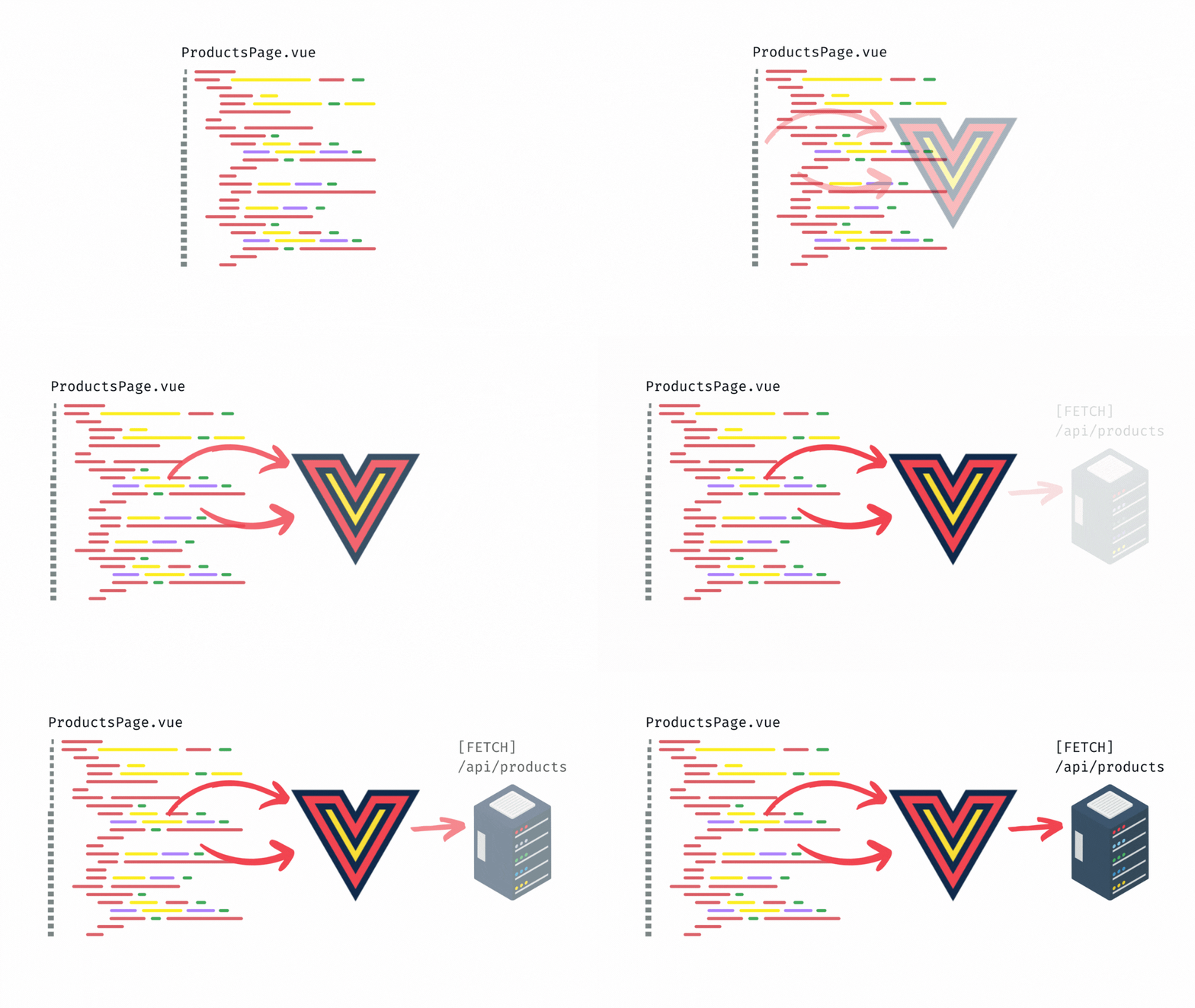
With this approach, we can free the page from the duty of orchestrating the data fetching and let each component request everything that it needs. This keeps our components completely autonomous. The component state is now the source of truth with Vue-Query handling deduping and caching the requests.
Server State Vs Client State
Vue-Query is great for managing server state, like fetching and updating data from a server, but there are some parts of an application that the server doesn’t need to know about. For example a cart state before being submitted to the checkout, form data before being submitted to the backend, UI preferences like dark mode or layout preferences. Multiple components might want access to this information but the server does not. For these cases using a state management library makes a lot of sense.
Conclusion
To sum up, while Vue-Query significantly simplifies managing server state it’s important to recognize the distinction between the server and client states. The server state is data managed by and stored on the server, which Vue-Query manages efficiently. On the other hand, client state is important for a personalized user experience but is not directly managed by the server. For these aspects, state management libraries like Vuex or Pinia remain essential.
Related articles